
Culture is a difficult thing to think about. We know that being able to live in culture — and needing to live in culture — are things that make us human. Even so, what is culture and where is it?

In the field of Cultural Psychology, it is assumed that culture is everywhere all the time. Cultural psychologists assume that mind and culture are inseparable: in other words, you might just as well regard mind and culture as exactly the same thing! Just as people give shape to culture, culture gives shape to people. As culture is given a very central role in cultural psychology, we expect the cultures of the world to be different and we do not really expect any other universal rules to apply. Cultural psychologists are more interested in how our minds are shaped by culture rather than in mental processes that are common to everyone.
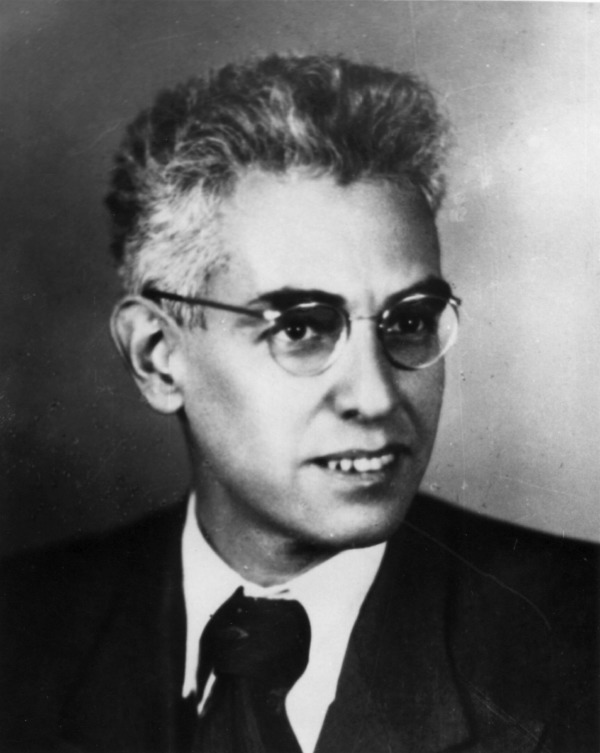
Out of Cultural Psychology, the field of Cultural-Historical Psychology grew. This was developed by a group of Soviet psychologists called the Vygotsky Circle. Lev Vygotsky was a Soviet psychologist who proposed that all mental development takes place in social activity. In this view, mental development and culture are extremely closely linked.
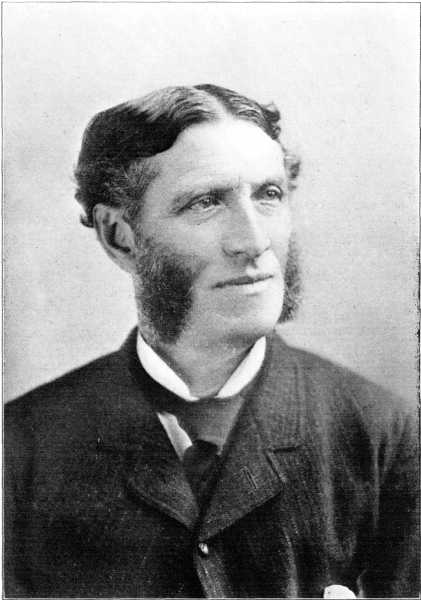
Cross-cultural psychology is somewhat different from Cultural psychology. Cross-cultural psychologists are interested in universals and do experiments to test whether we really do all think the same way deep down. Cultural psychologists believe that culture shapes mind and mind shapes culture with no need for psychological universals. Cross-cultural psychologists want to test if psychological universals exist.
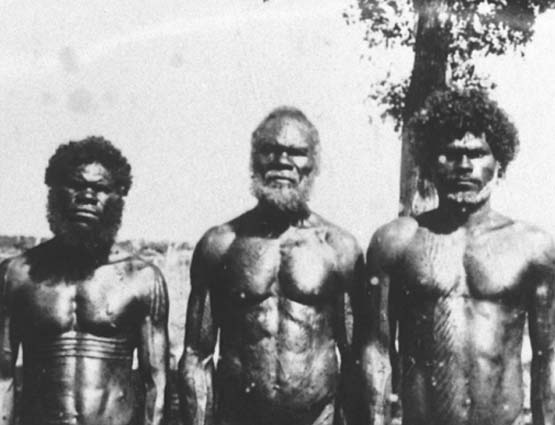
So how much do we all share in common? Anything at all? Are we all unique products of our cultural experiences with no unifying processes whatsoever?
[WpProQuiz 5]
Featured image:
http://commons.wikimedia.org/wiki/File:Henri_Rousseau__La_zingara_addormentata.jpg